

Chickens, How To, Info Guides
How Do I Get Rid of Chicken Coop Flies Effectively?

Mar
 ChatGPT
 Claude
 Perplexity
 Grok
Grok
 Google AI
 You
You
 WhatsApp
 LinkedIn
Dealing with flies in the chicken coop is a common challenge when raising backyard chickens. While they may seem like just a nuisance, too many flies can increase stress levels in your flock and contribute to the spread of bacteria and disease.
The good news is that you can control flies with a few simple, practical steps. This guide is designed to help you manage flies in your chicken coop, creating a cleaner, healthier space for your hens, so you can enjoy raising your chickens with fewer pests and happier hens.
Key Takeaways
- Flies are attracted to moisture, manure, and food scraps in chicken coops.
- Fly numbers spike in warm weather and after rain.
- Regular cleaning of the coop and surrounding area is essential to keep flies to a minimum.
- Natural methods (herbs, airflow, diatomaceous earth) help reduce flies.
- Good coop design(ventilation, raised runs, wire flooring) helps prevent fly build-up.
Flies: The Ultimate Buzz Kill For You & Your Chickens
Every backyard chicken owner knows the frustration of flies buzzing around, annoying both you and your flock. Today, we’re tackling how to get rid of chicken coop flies.
And trust me, getting rid of them isn’t as hard as you think! Flies love your chickens’ home for all the wrong reasons. It’s time we made it clear they’re not welcome anymore.
This blog will provide step-by-step instructions on how to get rid of chicken coop flies efficiently and affordably. Using a blend of natural remedies and tougher approaches, you can create an environment that flies hate.
Understanding the Link Between Chicken Coops and Flies
Flies are a problem every backyard chicken keeper will face at some stage. But why is that? And should you be worried?
Why Flies Are Attracted To Chicken Coops
Flies are attracted to coops for several reasons, including:
- Manure: Chicken droppings and dirty coop bedding are fly attractants.
- Food Scraps: Leftover or wet chicken feed becomes food for flies.
- Moisture: Flies prefer damp areas to lay their eggs.
- Warmth: Flies congregate in chicken coops because of the constant warmth and weather protection.
Flies thrive in warm, moist conditions where food is abundant. And what better place than a chicken coop full of fresh manure and spilled feed?
In recognising the link between how we raise chickens and the surge of flies, we pave the way for introducing impactful strategies to curb their numbers.
The Risks Flies Pose to Chickens
A small number of flies in your chicken coop is normal. Chickens eat flies so a few bugs will keep them entertained and happily snacking. However, a high population of flies can become irritating for both you and your chickens.
If they lead to your flock feeling stressed, this could result in decreased egg production and behavioural problems. The greatest risk flies pose is disease transmission.
They can carry various pathogens and parasites that cause diseases in chickens, such as avian influenza, salmonella and coccidiosis. This may result in poor growth, respiratory problems, digestive issues or death.
How the Seasons Affect Fly Levels
Flies aren’t a constant problem throughout the year; they tend to appear in waves depending on the weather. Understanding these seasonal patterns can help you stay one step ahead and prevent infestations before they take hold.
During warmer months, particularly in spring and summer, fly populations naturally increase. Heat speeds up the fly life cycle, meaning eggs hatch faster and populations grow rapidly in a short period of time. When you combine warmth with organic waste, like chicken droppings or leftover feed, it creates the perfect breeding ground.
Rainfall also plays a major role. After periods of rain, coops can become damp and muddy, especially if drainage isn’t ideal. This added moisture accelerates the breakdown of organic material, making it even more attractive for flies to lay eggs. You’ll often notice a spike in flies just a day or two after rain, particularly if temperatures remain warm.
In contrast, cooler and drier seasons tend to slow fly activity significantly. While flies don’t disappear completely, their breeding cycles are reduced, giving you a bit of relief and making maintenance easier.
Be extra vigilant during warm, wet conditions. This is when you’ll need to stay on top of cleaning, waste removal, and moisture control. Following the preventative steps outlined in this guide becomes even more important after rain and on warmer days, when fly populations can surge quickly.
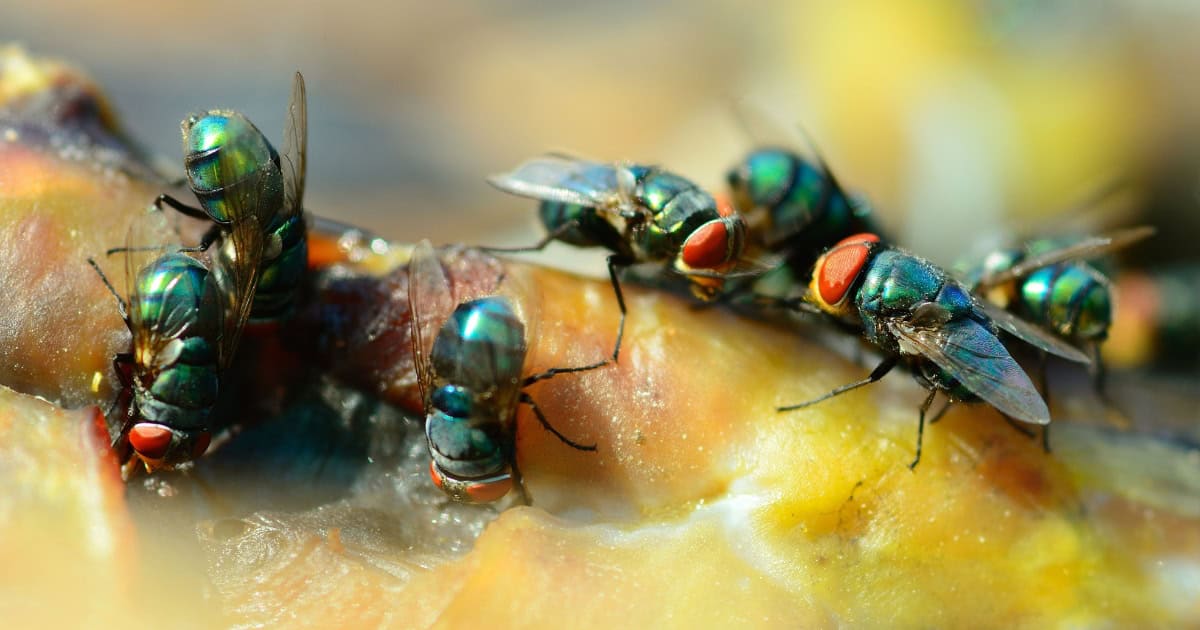
Flies flock to chicken coops due to waste and moisture. Keep your coop clean and remove food scraps to keep them at bay.
How To Get Rid of Chicken Coop Flies Naturally
If you only have a small amount of flies, we recommend trying natural remedies first. They can work wonders without harming your chooks or the environment.
Plants in Your Garden
Certain plants and herbs naturally repel flies. By planting these close to your chicken coop, you can reduce flies and have your garden smelling great.
Some great choices include:
- Chamomile
- Lavender
- Lemongrass
- Mint
- Oregano
- Rosemary
- Thyme
If you are unable to plant them, you could try hanging dried bunches inside the coop.
Diatomaceous Earth
Diatomaceous earth (DE) is a powder made from fossilised algae. It’s safe around chickens when food-grade DE is used and works wonders by dehydrating flies upon contact.
Sprinkle it around the coop’s perimeter and nesting areas but remember – moderation is key as too much can irritate your chickens’ respiratory systems.

Mechanical and Chemical Solutions for Fly Control
For more serious fly infestations, you need a more serious approach.
Fly Traps
Trap and kill flies using these affordable tools:
- Jar Traps: Containers with small openings – they are easy for flies to enter but harder to escape. Once inside, they drown in a liquid bait.
- Fly Strips: Sticky fly strips or ribbons have an adhesive coating that flies become stuck to when they land.
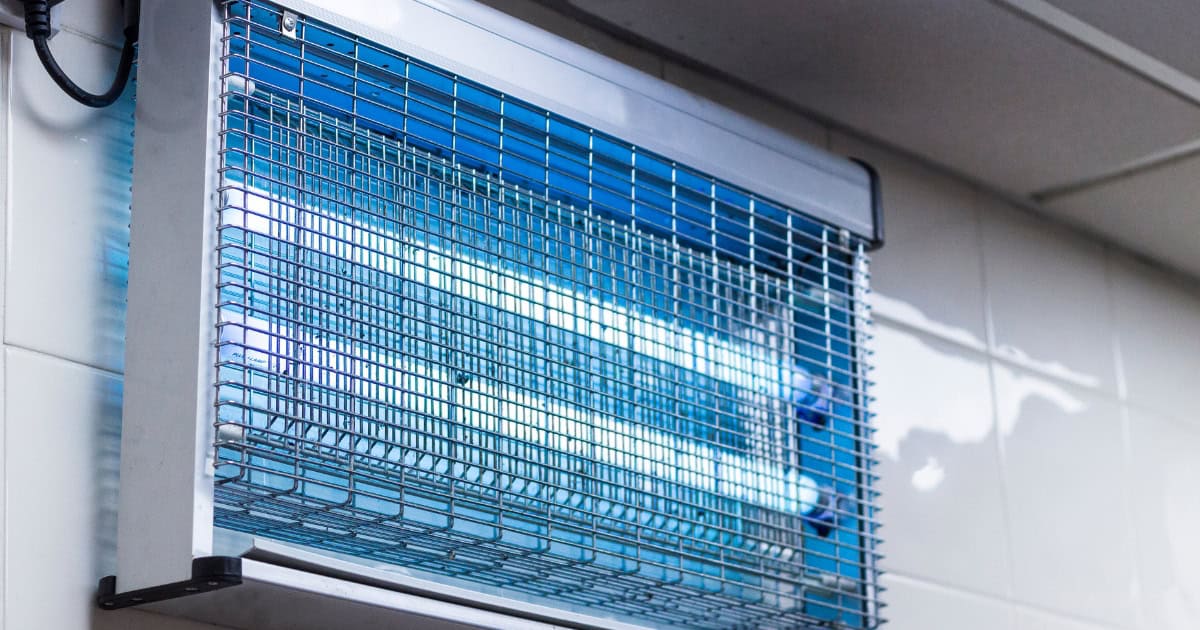
- Electric Traps: Electric fly traps use ultraviolet light to attract flies, which are then zapped by an electric grid when they come into contact with it.
Fanning
A good old-fashioned fan set up near your coop can work wonders. Flies aren’t strong fliers; even a gentle breeze from an electric fan can keep them from landing in your chickens’ domain.
Chemical Treatments
Chemical bug sprays can be very effective in killing flies. However, certain sprays can be toxic to your chickens too. Always choose products specifically designed for use around poultry.
These aren’t your average fly sprays, but ones formulated to ensure they’re safe around animals that lay the eggs we consume and share our backyards with.
- Permethrin-based Sprays: These are highly effective against flies and other pests without being harmful to chickens if used as directed.
- Insect Growth Regulators (IGRs): These clever chemicals interrupt the life cycle of flies, preventing them from maturing into adults without affecting birds or humans.
However, always remember to follow the label instructions meticulously. Overdoing it isn’t beneficial for anyone; less is more when it comes to chemicals. If you feel unsure about using chemicals yourself, seek professional advice.
Importance of Coop Cleanliness
Our number 1 tip to deter flies is to keep your coop clean. Flies are attracted to chicken poop, food scraps and damp environments, so when these build up, you’re essentially inviting them in. By keeping waste and moisture to a minimum, you create a space that’s far less appealing for flies to feed and breed, acting as a natural form of fly control.
It’s not just about what’s happening inside the coop, either. The surrounding area plays a big role in controlling flies. Spilled feed, damp soil, and manure buildup around the coop can quickly become breeding hotspots if left unattended. Simply scooping and removing waste, raking the run regularly, and keeping the ground as dry as possible will go a long way in reducing fly activity.
Regular Cleaning
Clean the coop area whenever it starts to smell. This is usually once per week but may be more often depending on the size of your coop and your flock. You will need to replace soiled coop bedding, replace straw in the nesting boxes and wipe down the droppings board.
Utilising absorbent materials such as hemp or pine shavings helps maintain a dry environment, which is less appealing to flies.
Remove Food Scraps
Flies are not usually attracted to dried chicken feed. However, they do enjoy moist organic matter. At the end of each day, remove any fresh food scraps your flock didn’t eat.
Give them their daily feed in a feeder with a lid. This will protect their feed from rain, stop it getting wet, and therefore not attract flies. Avoid scattering your hens’ daily feed on the ground of their coop. If it doesn’t all get eaten, it will get wet and become a breeding spot for flies.
It’s also worth remembering just how quickly flies reproduce. Fly life cycles can be as short as 24 hours, meaning even small amounts of decaying waste left overnight can become a breeding source by morning. This is because flies lay eggs directly onto organic material, which then hatch into fly larvae very quickly. Regularly removing scraps and keeping both the chicken coop and the surrounding area free from organic buildup is key to staying ahead of the problem.
Ventilation
When buying a chicken coop, ensure it has windows for ventilation. Adequate airflow reduces moisture levels, preventing fly breeding grounds from establishing within your coop.
The Cabana Chicken Coop has sliding windows on each side of the house, allowing you to open them each day for fresh air and to help dry out the coop. If the weather is bad, simply slide them closed to keep out the rain.

Compost & Manure Management
For those keeping chickens, using chicken manure as compost is a great way to reduce waste and enrich your garden. However, a poorly managed compost pile can quickly become a breeding ground for fly larvae and lead to an unpleasant coop smell, making it harder to control flies around your chicken coop.
To minimise this, start by moving your compost pile away from the coop and run. Distance helps reduce flies from being drawn back toward your chickens and reduces lingering odours. It’s also important to cover your compost pile as much as possible. Using a tarp, lid, or layering dry materials like straw or leaves can help reduce moisture, limit smells, and prevent flies from accessing the waste.
If you’re composting regularly or using manure for worm farming, a sealed bin is a smart option. It keeps everything contained, reduces smell, and stops flies from getting in and breeding.
How the Right Coop Design Helps
Coop design can make a big difference in controlling flies long-term. The right setup helps reduce moisture, limit waste build-up, and physically discourage flies from settling in the first place.
Windows positioned higher up on the coop help improve airflow and allow warm, damp air to escape more effectively. This keeps the coop drier, reduces moisture build-up and creates an environment far less attractive to flies.
Adding shade cloth or fly screens over all wire mesh areas helps by creating a physical barrier that deters flies while still allowing airflow and ventilation.
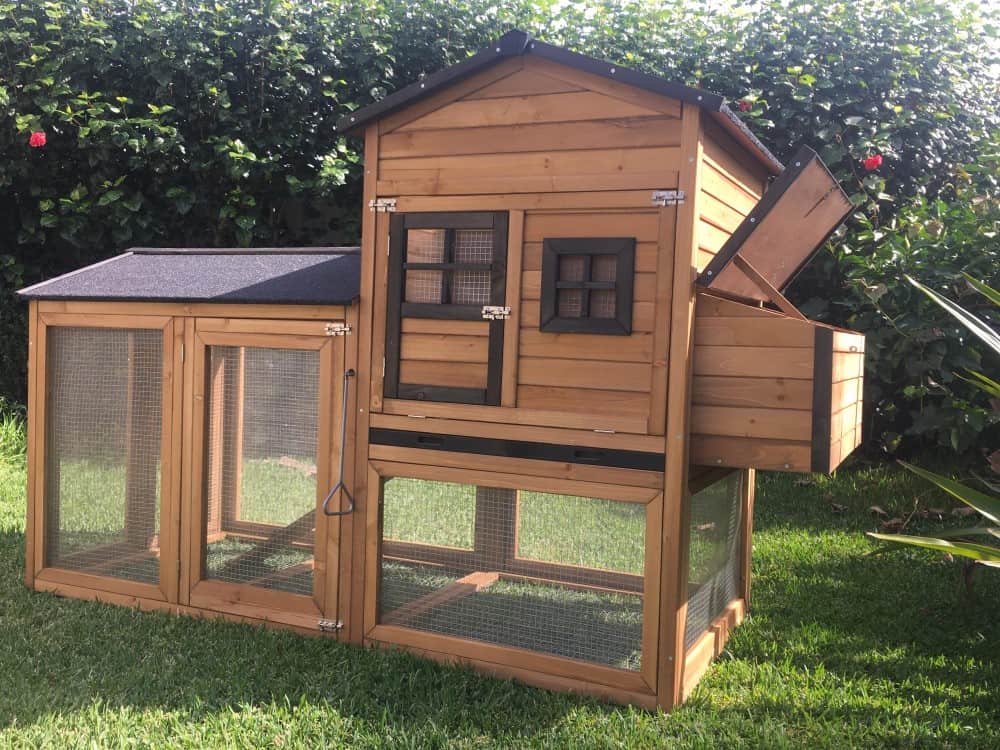
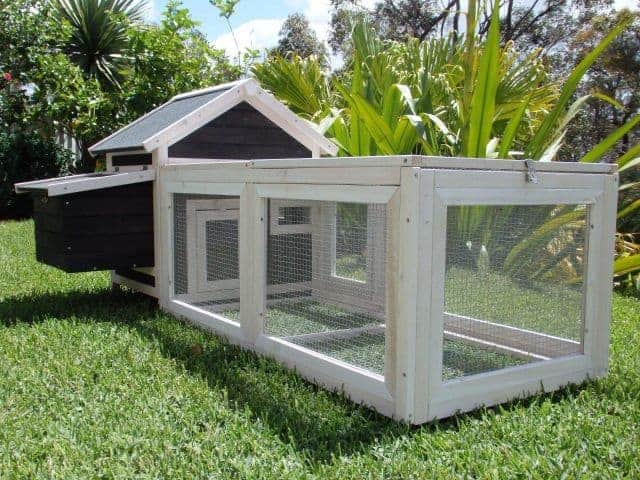
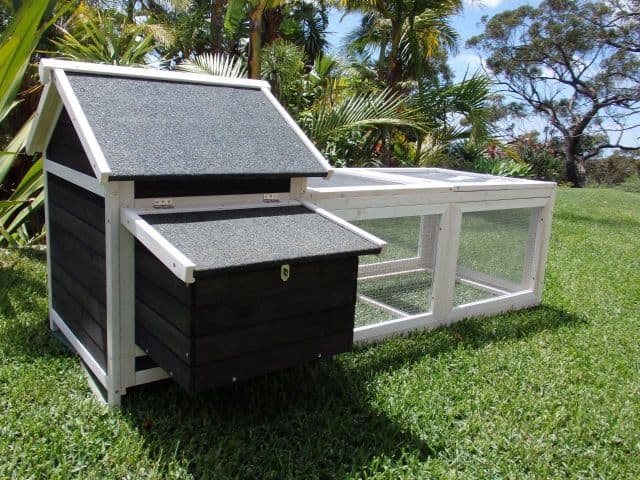
At Somerzby, our coop designs are built with practicality in mind, focusing on airflow and easy cleaning to help reduce fly pressure naturally. Our Deluxe Mansion Chicken Coop and Deluxe Cottage Chicken Coop both come fitted with fly screens, helping to physically block flies while still allowing fresh air to circulate throughout the coop.

Toni’s Wrap
Flies are attracted to chicken coops because they’re warm, damp and contain food sources (aka. food scraps and manure). Chickens eating a few flies is normal, but an excessive number of flies in the coop can lead to stress and disease.
In this blog, we’ve provided detailed instructions on how to get rid of chicken coop flies effectively. Natural remedies should be your first choice and are a non-toxic, eco-friendly approach to DIY fly deterrence.
If your fly problem is more serious, consider traps and bug sprays. Your chicken’s safety is priority so always do research before using chemicals near your pets.
The goal isn’t for a 100% fly-free coop (an impossible task) but rather to minimise their numbers significantly so both you and your chickens can enjoy a healthier and more comfortable environment.
Related Blogs