



Goats
Ultimate Guide to Keeping Pygmy Goats as Pets
Jun
 ChatGPT
 Claude
 Perplexity
 Grok
Grok
 Google AI
 You
You
 WhatsApp
 LinkedIn
Pygmy goats are a small, hardy breed of domestic goat known for their compact size, playful nature, and strong social behaviour. Originally developed from West African dwarf goat lines, they have become increasingly popular as companion animals, especially on hobby farms and rural properties. Despite their size, they are active, curious, and intelligent animals that require proper care, space, and companionship to thrive.
In this guide, you’ll learn everything you need to know about keeping pygmy goats as pets in Australia. From housing, feeding, and health care to compatibility with other animals, breeding considerations, and costs.This blog covers the essential information you need to decide whether pygmy goats are the right fit for your lifestyle and property.
Key Takeaways
- Pygmy goats are small, hardy companion goats originally derived from West African dwarf breeds.
- Wethers (castrated males) are often considered the best pet option.
- Their diet should consist of grass, hay, pellets with a mineral lick, and no chicken feed. Keep in a safe, dry shelter.Regularly schedule hoof trimming every 4–8 weeks, vaccinations, and worm testing to prevent common diseases like CAE and mastitis.
- Utilise their natural browsing habits for effective weed control. Costs vary widely depending on breed quality, sex, and purpose (pet, breeding, or show).
- Keeping Pygmy Goats as Pets
- Which Pygmy Goat Breed is Right For Me?
- Keeping Pygmy Goats with Chickens
- Keeping Pet Goats in Your Garden
- Best Enclosures for Pygmy Goats
- What Do Pygmy Goats Eat?
- Can You Milk Pygmy Goats?
- How to Care for Your Pygmy Goats
- Common Health Issues for Pygmy Goats
- Tips for Buying Pygmy Goats
- Pygmy Goat Breeders in Australia
- How Much Do Pygmy Goats Cost?
- FAQ
- Toni’s Wrap
Keeping Pygmy Goats as Pets
Pygmy goats are friendly, active animals that can make rewarding pets for the right owner. They are generally hardy and adaptable, and while they don’t require constant human attention, they are social herd animals and should always be kept with at least one other goat for companionship.
In terms of suitability, pygmy goats are often considered beginner friendly compared to larger livestock, as they are relatively easy to handle and have straightforward care needs. They can also be a great addition to families with children, provided there is adult supervision and the goats are properly trained and handled gently from a young age. While they are typically docile, they are still strong, curious animals that benefit from clear boundaries and consistent care.
Space is one of the most important considerations. Despite their small size, pygmy goats are very active and require significantly more room than a typical suburban backyard usually provides. As a general guide, each goat needs a spacious, securely fenced outdoor area with room to run, climb, and explore (60m to 120m squared). In most suburban settings, keeping pygmy goats can be challenging due to space limitations, noise, and local council restrictions. They are far better suited to rural properties or acreage where they have access to larger paddocks or grazing areas.
Before bringing pygmy goats home, it’s important to check local council regulations, as rules for keeping livestock vary by area. Noise should also be considered, as goats can be quite vocal, especially when calling to their herd. If you live in a more built up area, it’s a good idea to discuss your plans with neighbours in advance.
Which Pygmy Goat Breed is Right For Me?
Now that you know a bit about pygmy goats, you might be wondering if this breed is the right choice for you. There are a few other miniature goat breeds to consider as well, including the Nigerian Dwarf Goat and the Australian Miniature Goat.
Pygmy goats have a stocky, compact build due to their origins as a meat type breed, and they are generally shorter and more heavily muscled than other miniature breeds. They are typically kept more for companionship and light browsing than for dairy production.
The Nigerian Dwarf Goat is one of the most popular small dairy breeds. Despite their size, they are capable of producing a relatively good volume of milk with a naturally high butterfat content, which gives it a rich, creamy flavour. Because of their strong dairy qualities, they are often more expensive and highly sought after by small scale homesteaders.
The Australian Miniature Goat is a selectively bred “designer” type developed from various small goat breeds, including pygmy and dairy lines. They are known for their friendly temperaments and wide variety of coat colours and patterns, making them popular as pets.
All three miniature breeds can make excellent companion animals when properly cared for. The best choice ultimately depends on your goals, whether you are looking for a pet, a small scale dairy animal, or simply an entertaining and affectionate addition to your family.
Keeping Pygmy Goats with Chickens
Goats and chickens can generally coexist well and are often kept in the same backyard or farm environment without issue. However, the main challenge comes down to feeding management. Pygmy goats are opportunistic eaters and will often try to steal chicken feed, but this should be prevented. Chicken feed is not formulated for goats and, when eaten in large amounts, can cause digestive upset such as diarrhoea, bloating, and in severe cases, more serious conditions like ruminal imbalance or toxicosis.
To avoid this, chicken feed should always be stored and offered in a way that goats cannot access. Feeding chickens inside their coop or using elevated or goat proof feeders is a simple and effective solution. Automatic or treadle style feeders designed for poultry can also help reduce spillage and limit access to goats.
It’s also important that both animals have separate sleeping areas. A dedicated chicken coop and a secure goat shelter help ensure each species can rest safely and comfortably. This separation also supports better hygiene, as chicken droppings can carry bacteria such as Salmonella and other pathogens that may pose a risk if goats are exposed to contaminated feed or bedding. With proper feeding setups, secure housing, and good hygiene practices, both animals can thrive in the same environment.
Keeping Pet Goats in Your Garden
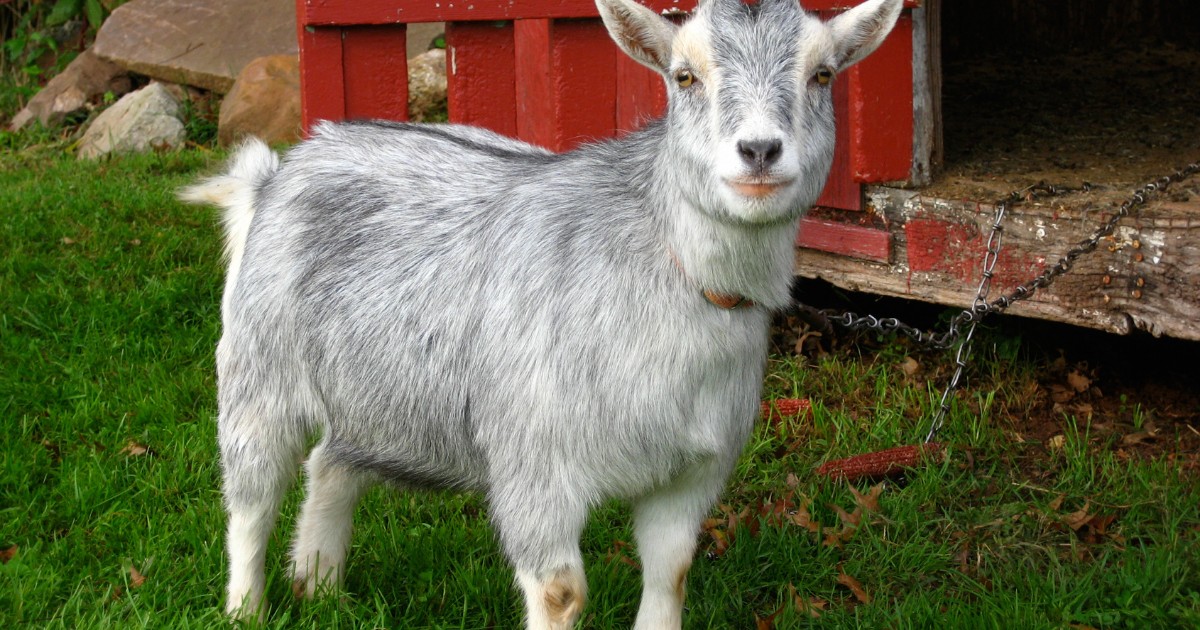
Don’t expect pygmy goats to act like lawn mowers in the same way sheep might. While they will graze on grass, goats are natural browsers and prefer a varied diet that includes shrubs, weeds, tree leaves, flowers, herbs, and vegetables rather than short pasture alone.
For gardeners, this can be both a benefit and a challenge. Goats are excellent at clearing unwanted vegetation and will happily eat many common weeds, including tough or invasive species. However, they are not selective and will just as readily strip garden plants, fruit trees, herbs, and vegetable patches if given access. It’s also important to note that while goats may browse plants like ivy or certain weeds, they should never be relied on to “safely clear” all toxic plants, as some species can still be harmful to them.
Any area you want to keep intact must be securely fenced off as goats are capable of squeezing through gaps or testing weak fencing, so a sturdy, well planned enclosure is essential.
Best Enclosures for Pygmy Goats
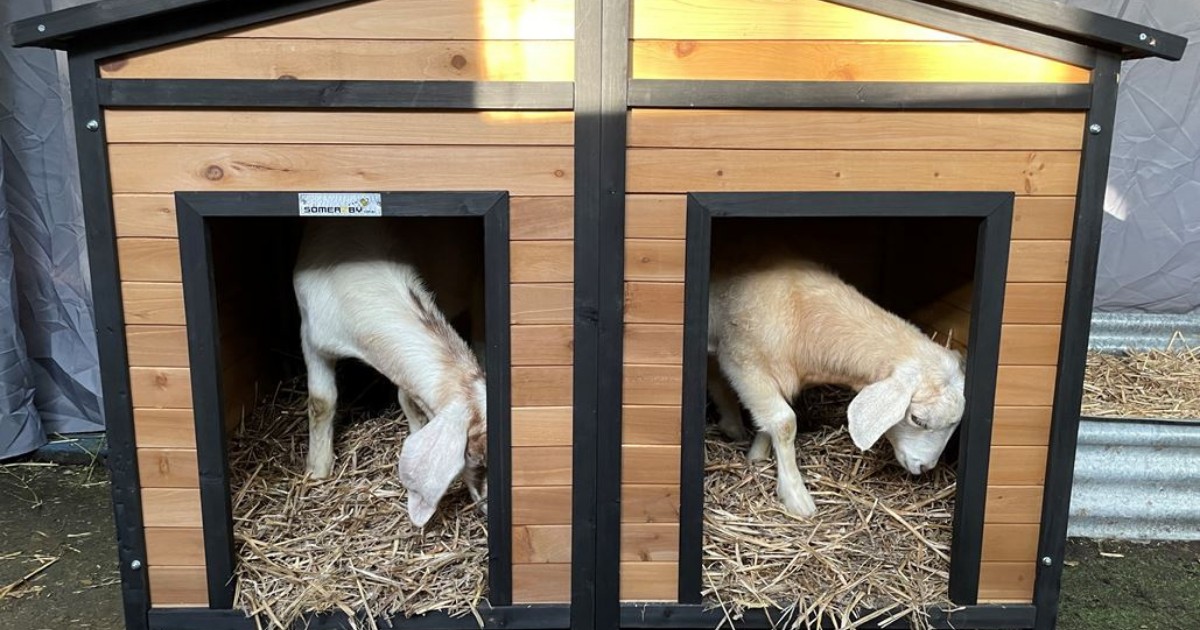
While pygmy goats can safely roam a fenced backyard during the day, providing a secure kennel or enclosure offers important protection and comfort. An enclosed sleeping area helps keep them safe, warm, and dry, particularly as pygmy goats dislike wet weather and will need a sheltered space to retreat to during rain.
Dog kennels, such as the Somerzby Den dog Kennel, are a popular option because they provide a cosy, appropriately sized shelter for smaller animals. However, it’s important to remember that pygmy goats are excellent escape artists and can easily jump low fences or squeeze through gaps, so any enclosure must be sturdy and well secured.
What Do Pygmy Goats Eat?
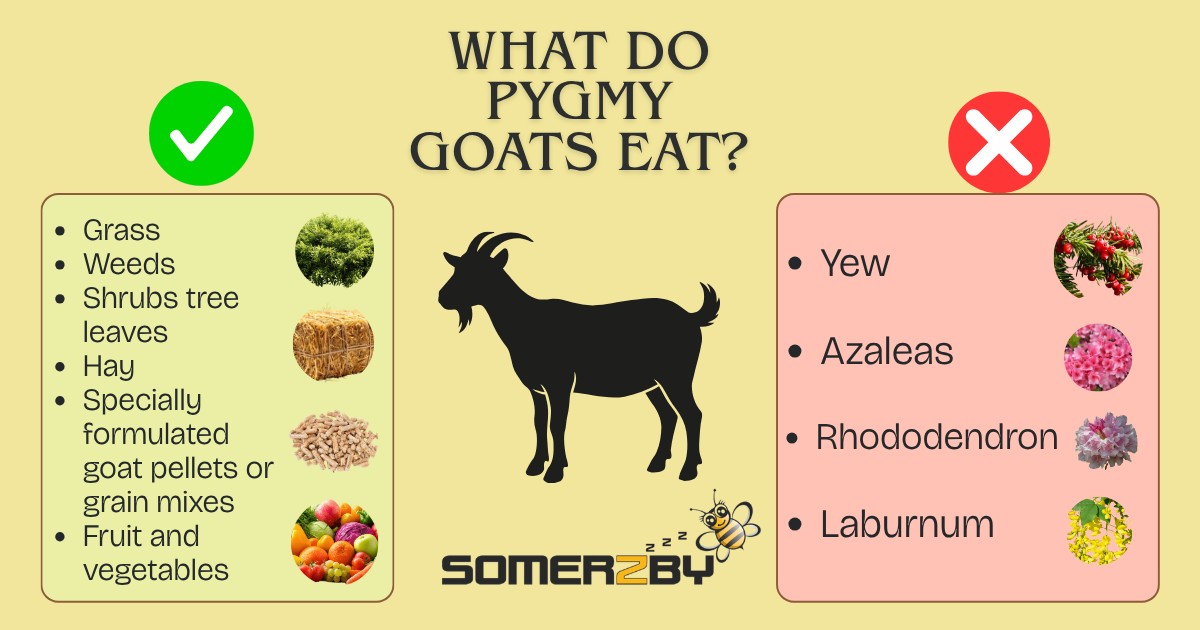
Miniature goats are natural browsers and will eat a wide variety of vegetation, including grass, weeds, shrubs, tree leaves, hay, and specially formulated goat pellets or grain mixes. A diet based primarily on good quality hay, with a balanced goat feed as a supplement, is generally recommended. It’s always best to discuss specific feeding requirements with your breeder or veterinarian, as needs can vary depending on age, size, and condition.
Treats such as small amounts of fruit and vegetables can be offered occasionally, but should not make up a significant part of their diet. Goats also require access to a mineral or salt lick year round to support their overall health and nutrition.
Clean, fresh water must be available at all times and changed daily. Depending on size, weather, and activity levels, a pygmy goat may drink several litres of water per day, with intake increasing in warmer conditions.
It’s also important to ensure your goats do not have access to toxic plants. Common plants that are known to be harmful to goats include yew, azaleas, rhododendron, laburnum, and certain ornamental shrubs. When in doubt, it’s safest to fence off or remove any unknown or potentially poisonous vegetation from their environment.
Can You Milk Pygmy Goats?
Pygmy goats are not typically considered a dairy breed, although they can be milked. Their small teats and udders can make milking challenging, and their production is relatively limited. On average, they will produce milk for around 120 to 180 days, yielding approximately 1 to 2.5 litres per day.
If you are keeping goats primarily for milk, the doe will need to be bred each year, so it’s important to plan ahead for what you will do with the kids, whether that means expanding your herd or finding suitable homes for them.
How to Care for Your Pygmy Goats
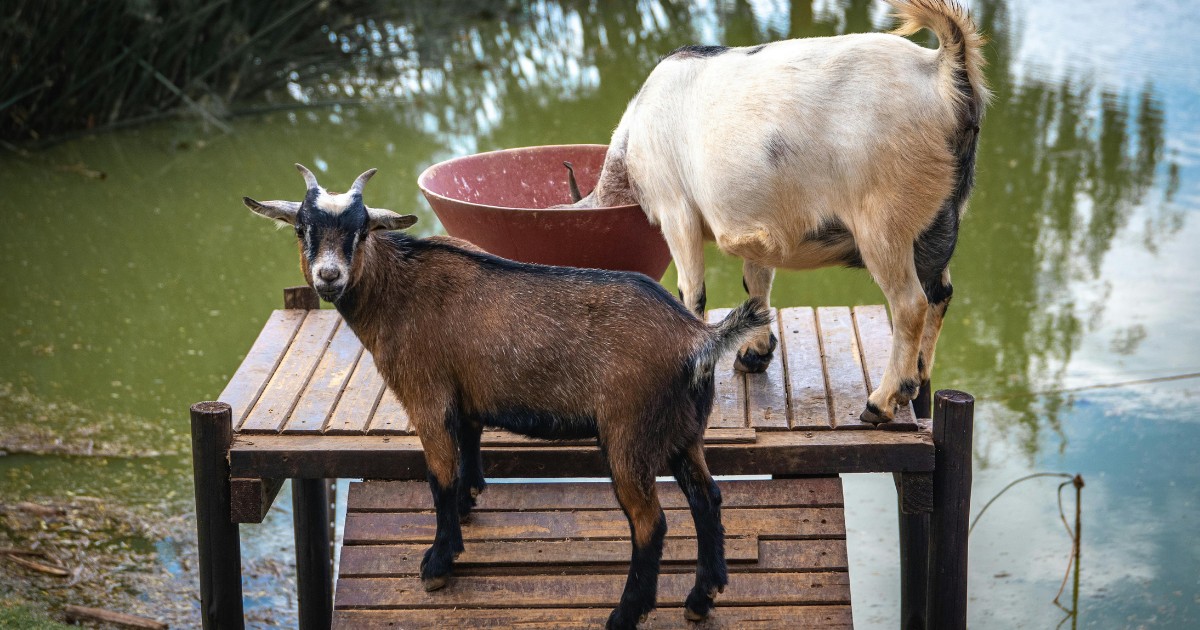
Caring for pygmy goats is an ongoing commitment that involves daily, weekly, and seasonal attention to keep them healthy and comfortable.
On a daily basis, their basic needs should always be met. This includes providing fresh water and feed, checking for any signs of injury or illness, and keeping their bedding clean and dry. Regular observation is important, as it helps you quickly notice changes in behaviour or health.
Clean, fresh water must be available at all times and changed daily. Depending on size, weather, and activity levels, a pygmy goat may drink several litres of water per day, with intake increasing in warmer conditions.
Weekly to monthly care focuses more on maintenance tasks. Hoof trimming is essential to prevent lameness and should typically be done every 4–8 weeks, depending on how quickly your goats’ hooves grow. It’s also important to carry out routine checks for parasites and maintain preventative treatments as needed.
Seasonal and yearly care involves a deeper level of management. Shelters should be thoroughly cleaned and refreshed, and pastures rotated where possible to help reduce parasite build up in the environment. As colder weather approaches, goats will also benefit from additional bedding and general winter preparation to ensure they remain warm and comfortable.
In addition to routine care, pygmy goats should be tested for internal parasites at least twice a year using a faecal egg count. Regular lice treatments, health checks, and vaccinations are also important parts of their overall wellbeing. Your veterinarian can provide guidance on the most appropriate vaccination and parasite control schedule for your herd.
Common Health Issues for Pygmy Goats
Goats are generally hardy animals, so serious illness is relatively uncommon when they are well cared for, but health issues can still occur. It’s always a good idea to speak with your breeder about any known health history in their herd and what testing or preventative care has been carried out.
Two major diseases that can affect goats are Caprine Arthritis Encephalitis (CAE) and Johne’s Disease, both of which are chronic and can spread through a herd. Reputable breeders will often test for these conditions or manage closed, disease controlled herds, so it’s important to ask about their testing protocols before purchasing.
When your goats are lactating, mastitis (an udder infection) is another potential concern. Because teat openings do not close immediately after milking, bacteria can enter the udder if hygiene is poor. Keep housing clean, dry, and well managed to greatly reduce the risk of infection.
Good overall management plays a major role in preventing illness. Goats are less likely to develop respiratory issues such as pneumonia when they are kept in a well ventilated but draft free shelter with dry bedding and protection from damp conditions. Proper nutrition is also essential; sudden dietary changes or overfeeding grain can lead to enterotoxemia (also known as overeating disease). Always introduce new foods gradually while maintaining a balanced diet. Routine vaccinations and regular parasite control further support long term herd health.
Tips for Buying Pygmy Goats
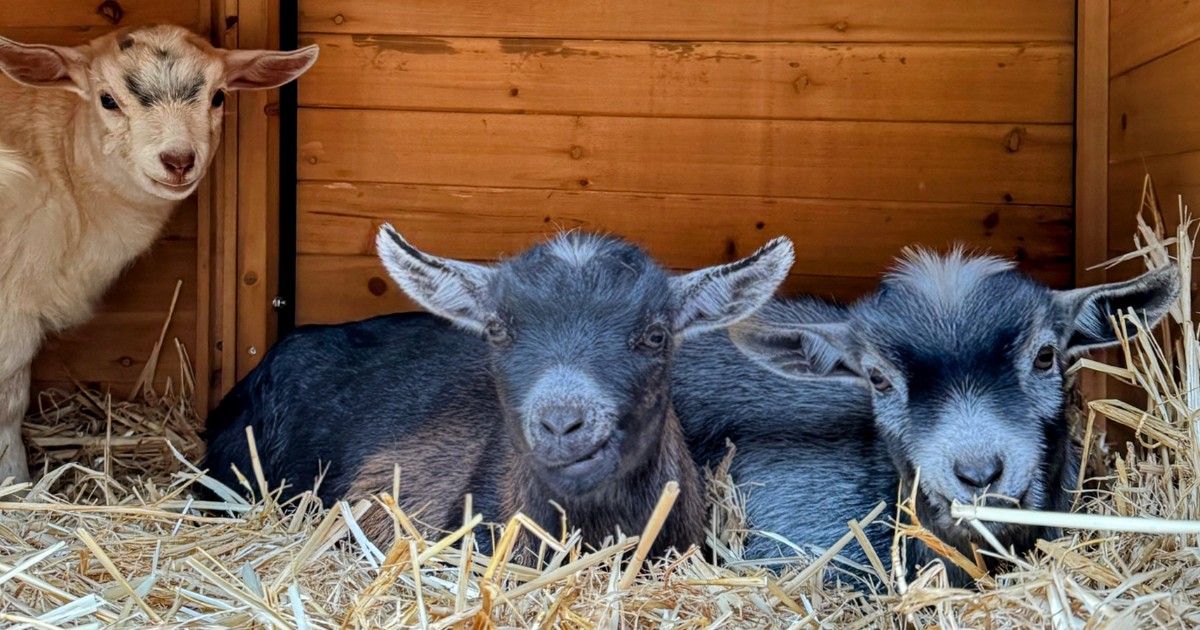
If you’ve decided to get pygmy goats, there are a few important factors to consider during the buying process to ensure you choose healthy, well suited animals.
In Australia, pygmy goats are often bred through structured grading systems, and pricing can vary depending on genetics and how close the animal is to purebred lines. Some breeders will provide information on percentage breed content or lineage, which can be useful if you’re looking for specific traits such as size, temperament, or conformity to breed standards.
It’s also important to consider the sex of the goat. Bucks (intact males) are primarily kept for breeding and are generally not recommended as pets, as they can become strong smelling, more territorial, and unpredictable during the breeding season. Does (females) are commonly kept as pets and are typically calm and social, especially when kept with other does or wethers. Wethers (castrated males) are often considered the best pet option, as they tend to be friendly, easy to handle, and less prone to strong odours or hormonal behaviours.
Whenever possible, it’s best to view the goats in person before purchasing. If that isn’t an option, request recent photos, as well as updates on height, weight, and general condition. This also gives you a chance to observe temperament and handling, which is especially important if you’re looking for a friendly, social pet.
Finally, always ensure you are buying from a reputable breeder. In Australia, organisations such as the Miniature Goat Breeders Association (MGBA) encourage buyers to confirm registration details and obtain all transfer paperwork at the time of sale. This helps verify the animal’s background and ensures proper ownership records are maintained.
Pygmy Goat Breeders in Australia
STATES
LaFamilia Pygmy Goats
Location: Aldavilla
Phone: 0427 433 668
Website: www.facebook.com/lafamiliapygmygoats//
Willow Brae Pygmy Goats
Location: Yass
Phone: 0449 787 387
Website: www.facebook.com/WillowBraePygmyGoats
Coorumbene Pygmy Goats
Location: Marrangaroo
Phone: 0407 432 781
Website: www.facebook.com/people/Coorumbene-Pygmies
Roden Dairy Goats
Location: Weerite
Phone:0418 573 458
Website: caprotek.com/services
Paragon Pygmys
Location: Weerite
Phone:0418 573 458
Riverstone Miniature Goats
Location: Moorooduc
Phone:0411 737 471
Website: www.riverstoneminiaturegoats.com
Evastaff Farm
Location: West Ulverstone
Phone:0418 140 160
Website: www.evastaff.com
Jahanda Miniature Goats
Location: Bothwell
Phone:0448 091 394
Website: www.jahandaminiaturegoats.com
Rubi Miniature Goats
Location: Port Sorell
Phone:0457 269 262
Website: www.facebook.com/p/Rubi-Miniature-Goats
Kidiwink Kidz Pygmy Goats
Location: Apple Tree Creek
Phone:0428 677 490
Website: www.kidiwinkkidz.com
How Much Do Pygmy Goats Cost?
Pygmy goat prices vary widely depending on pedigree, genetics, conformation, registration status, location, and overall quality. Factors such as whether the animal is purebred or graded, as well as breeder reputation and demand, can also significantly influence cost.
As a general guide, prices have increased in recent years compared to older listings. Bucks are typically the most expensive and may range from approximately $800 to $2,500+ depending on breeding quality and lineage. Does generally fall in the range of $500 to $1,500+, with high quality breeding females often sitting at the upper end of the scale. Wethers (castrated males) are usually the most affordable pets, commonly ranging from around $200 to $600.
Prices can be lower or significantly higher depending on the breeder, location, registration papers, and whether the goat is being sold as a pet, breeding animal, or show quality stock. As always, it’s important to buy from a reputable breeder and ensure you understand what is included in the price, such as registration papers, vaccinations, and health checks.
FAQ
How much space do pygmy goats need?
Each pygmy goat needs at least 60m to 120m squared of outdoor space plus their shelter which must be dry, draft free and have 4m to 6m per goat.
Can I have just one pygmy goat?
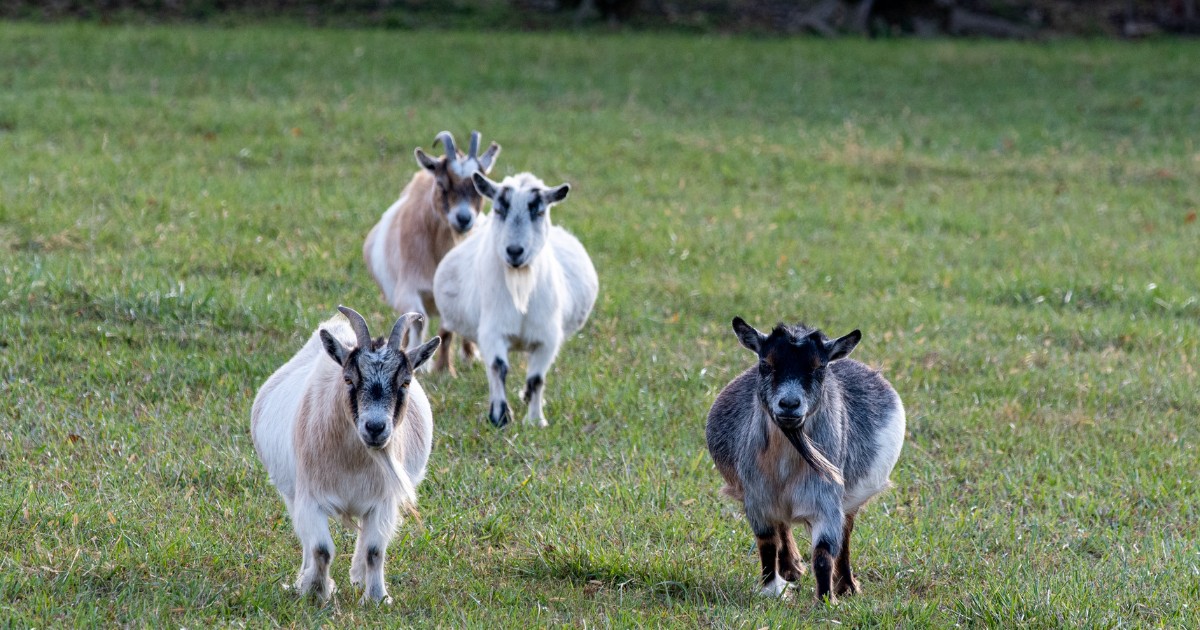
Goats are herd animals and thrive best in the company of other goats, without company they can become stressed and lonely. Having multiple pygmy goats allows them to engage in natural behaviours such as playing and establishing dynamics within the herd.
What is the lifespan of a Pygmy Goat?
Pygymy Goats can live up to 12 to 15 years or even longer if they are in excellent health.
Toni’s Wrap
Pygmy goats can be incredibly rewarding animals for the right owner, offering personality, companionship, and plenty of entertainment. However, they also come with clear responsibilities that shouldn’t be underestimated. By reading this guide, you now have a practical understanding of what’s involved in keeping pygmy goats in Australia, including their housing needs, feeding requirements, health care, compatibility with other animals, and overall costs. You’re now better equipped to make an informed decision about whether these animals suit your property, lifestyle, and level of commitment, as well as what to look for if you choose to bring them home.
Related Blogs





Where can I purchase a mini goat
What state are you in Phillip?
I got one from Kahama Park Pygmy who are on face book. They are in nsw and I highly recommend them. Also would be worth checking gumtree as they are often advertised there.
Where is the best place to get miniature pygmy goats near Heath Ohio?
Any breeders in north Carolina ?? Also supplies an housing an proper fencing??
Where is the closest place to purchase a pygmy goat near Rockholds, Ky.?
Where can i buy one in oklahoma
Hi Jennifer,
Sorry, I don’t know. We are in Australia.
Where can i pay a goat
Are there any breeders near Tooele, Utah?
I’m looking for these Lil guys information Dakota
Pygmy goats are so cute, I would love to have one or two, do you know of any places in Ky. that sales them?
“Sells” them????
I have to get one!!
If you read the article you need to get more than one. Goats are herd animals
But alone they are great for the companion of a horse
Just wondering where could i get a pygmy goat on the mid north coast of NSW?
Where can I get a Pygmy goat? I live in MD
Can I get some info on buying these in Qld & also any government restrictions that you are aware of.
I recently got a male pigmy and I love him! Sweetest baby ever.
Where can I purchase one in WA?
Early stage of looking at pigmy’s. How long can they be alone. Can they be potty trained. How much does a non show one cost. How do they compare with a similar small dog. I have to be able to hold it in my lap.
Hello! Can you recommend any breeders for Pygmy goats in Southwest Pennsylvania or surrounding areas? Thank you!
Where can I get a pigmy between Houston and Dallas, Texas?
Hi Amber,
I’m not sure, sorry. We are located in Australia. All the best finding one!
Where can I purchase a pygmy goat in Tennessee or North Carolina?My sister just list one of her goat pets,I want to surprise her with another
Hi,
I am in NSW Australia and have recently been speaking to Scapegoat in east Seaham, Have you heard of them???, and we have one on the way for end of June!! SO EXCITED!!!!
Any Pygmy Goat breeders in FNQ Cairns area ? Thank you
Any Pygmy goat in NSW area?
Cheers !!
I am in NSW Australia . Am looking for a Pygmy Goat breeders
Hi Toni, I have really enjoyed reading your helpful article. I have been wanting to have a couple of pigmy goats for about 20 plus years! Could you advise me on how much outside space I would need for two pigmies? Also, are there any breeders you would recommend in South West England? (I realise it’s a long way from Australia! But maybe you know some?)
Thank you so much
Oh they’re HARDLY? Mmmmmmkay ????
I absolutely loved this guide on keeping pygmy goats as pets! The tips on their care and social needs were super helpful. I’ve been considering adding a few to our homestead, and this post has given me the confidence to take the plunge. Thanks for sharing such valuable information!
I absolutely loved this guide on keeping pygmy goats as pets! I’ve been considering adding a couple to my backyard, and your insights on their care, behavior, and social needs were super helpful. I can’t wait to get started and give these little guys a great home! Thank you for such an informative post!
Can a Pygmy goat be kept as an inside pet, or is that not a good idea?
Pygmy Goats are herd animals and require space to move and burn off energy. We do not recommend keeping them as an in-house pet.