


Cats
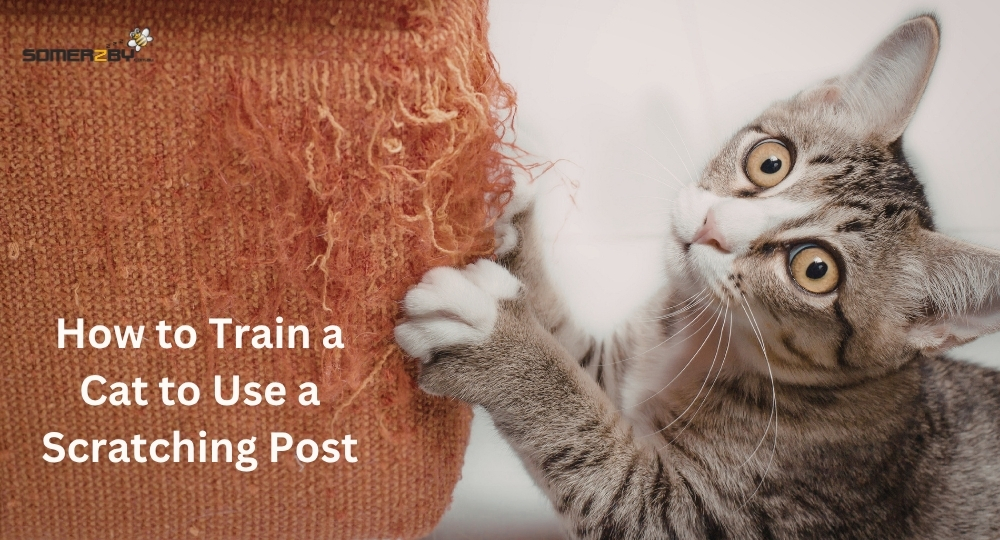
How to Train a Cat to Use a Scratching Post
Jun
 ChatGPT
 Claude
 Perplexity
 Grok
Grok
 Google AI
 You
You
 WhatsApp
 LinkedIn
It can be frustrating when your cat ignores a scratching post and instead targets your furniture or carpet. This guide explains why cats scratch, why they may avoid a scratching post, and tips to train them to use it successfully, using simple, proven techniques.
Key Takeaways
- Scratching is a natural behaviour for cats, not bad behaviour or disobedience.
- Cats scratch to maintain their claws, stretch, mark territory and release emotions.
- Not all cats will use a scratching post straight away, and preferences vary widely.
- Location, material and stability all play a big role in whether a scratching post gets used.
- Training, redirection and positive reinforcement help build the habit over time.
- Choosing a well-suited cat scratching post, such as the Somerzby range, can make it much easier to redirect scratching away from furniture.
Why Cats Scratch
It can be frustrating when your pet cat damages the furniture or carpet. But this behaviour isn’t your cat being difficult or disobedient. Scratching is a completely natural and necessary part of being a cat.
Cats scratch for several important reasons:
- Claw maintenance: Scratching helps remove the dead outer layer of their claws, keeping them healthy and sharp.
- Scent marking: Cats have scent glands in their paws, so scratching leaves behind pheromones that mark their territory, particularly in areas they feel comfortable.
- Stretching and exercise: Scratching allows cats to stretch their legs, shoulders and back, supporting their overall physical health.
- Emotional release: Scratching can be a way for cats to express how they’re feeling, whether they’re excited, anxious or a bit overwhelmed.
Understanding why your cat scratches is an important step toward redirecting this behaviour in a way that works for both of you.

Train Your Cat to Use a Scratching Post
If your cat is damaging furniture or belongings, a scratching post is one of the best ways to redirect that behaviour in a positive way.
Some cats are unsure about a new scratching post at first, especially if they’ve never used one before. The good news is they can be gently guided to use it with patience and consistency. Here are a few simple training methods that work well:
- Show your cat how: It may feel a bit odd, but demonstrating can help. Sit near the scratching post and lightly scratch it yourself so your cat can see and hear what it’s for. Some cats also respond well if you gently guide their paws over the surface so they can feel the texture.
- Use positive reinforcement: Make a new scratching post more appealing by adding catnip or treats on it. When your cat uses it, reward them straight away with praise, pats or more treats, so they associate it with something positive.
- Correct behaviour: If you catch your cat scratching furniture, calmly pick them up and move them to the scratching post. You can gently place your cat’s paws on it to help transfer their scent to the surface, making it feel more familiar.
- Play with toys: Use toys like wand toys or laser pointers near the cat tree to create positive associations. If your cat is unsure about approaching it, gradually bring the play closer until they feel comfortable interacting with it.
Why Some Cats Ignore Scratching Posts
Buying a scratching post can feel like an easy fix, so it’s disappointing when your cat ignores it. This is very common and usually comes down to a simple issue you can adjust.
Here are the most common reasons cats avoid scratching posts and what you can do about them:
- The scratching post isn’t a style or material your cat enjoys
Solution: Cats can be surprisingly particular. Preferences vary when it comes to height, angle and material (such as carpet, sisal rope or cardboard). It may take some trial and error to find the right fit. A good starting point is to look at what your cat is already scratching. For example, if they’re targeting carpet, they’ll often prefer a horizontal surface with a similar texture.
- It’s placed in an area your cat doesn’t use or feel comfortable in
Solution: Location plays a big role. Try placing the cat scratching post where your cat already spends time, rather than tucking it away out of sight. Some cats prefer quieter, low-traffic areas, while others like being near their owners. You can also experiment with placing it near a sunny window or a favourite resting spot.
- The scratching post wobbles or feels unstable
Solution: Cats need a sturdy surface they can put their weight into. If the post wobbles or shifts, they’re less likely to use it. Make sure it’s stable by securing the base or placing it on a non-slip surface. You can also try laying it on its side. Many cats are perfectly happy using a horizontal scratcher instead of vertical surfaces.
- The scratching post isn’t the most appealing option in the room
Solution: If your cat still prefers the carpet or couch, make those areas less appealing while you are training them. One simple option is to use sticky tape on the surface, as cats dislike the texture on their paws. Alternatively, you could use a scent deterrent spray. This encourages them to shift their attention to the better option you’ve provided.

Avoid a Cat-astrophy: What Not to Do
One of the most common mistakes is punishing or yelling at your cat for inappropriate scratching. This doesn’t teach them what to do instead, and it can lead to fear or stress, which often makes behaviour worse. A better approach is to calmly redirect them and reward them when they use the cat scratching post correctly.
Another common pitfall is expecting results too quickly. Training takes time and consistency, and your cat is learning a new habit. With patience and regular positive reinforcement, they will gradually start choosing the scratching post more often.
Choosing the Right Scratching Post
There are many different options available, so it helps to know what to look for. Key factors include:
- Height
- Material (such as fabric, sisal or cardboard)
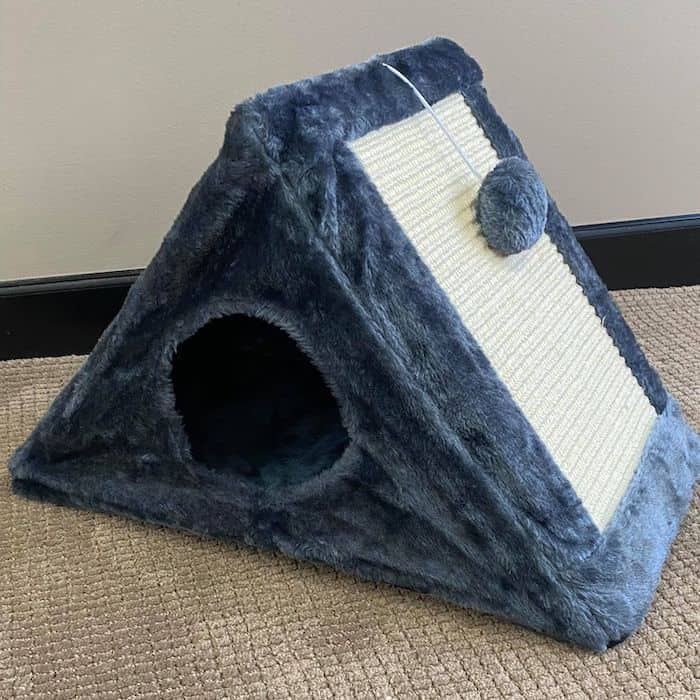
- Orientation (vertical, horizontal or angled)
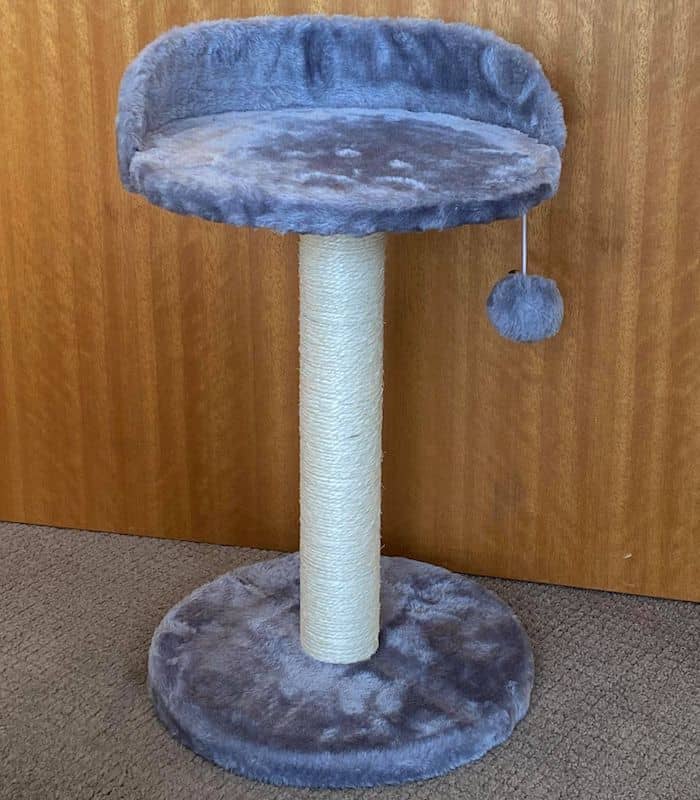
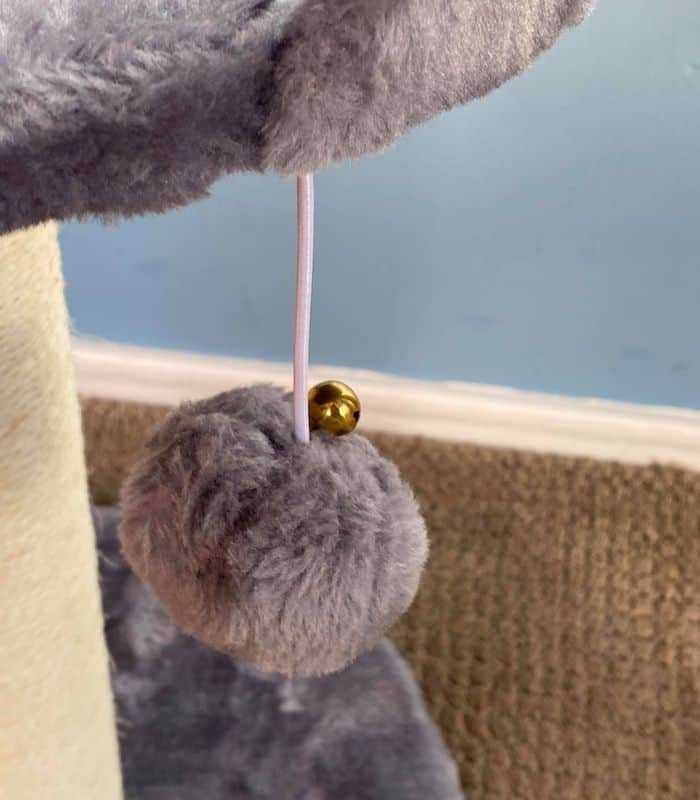
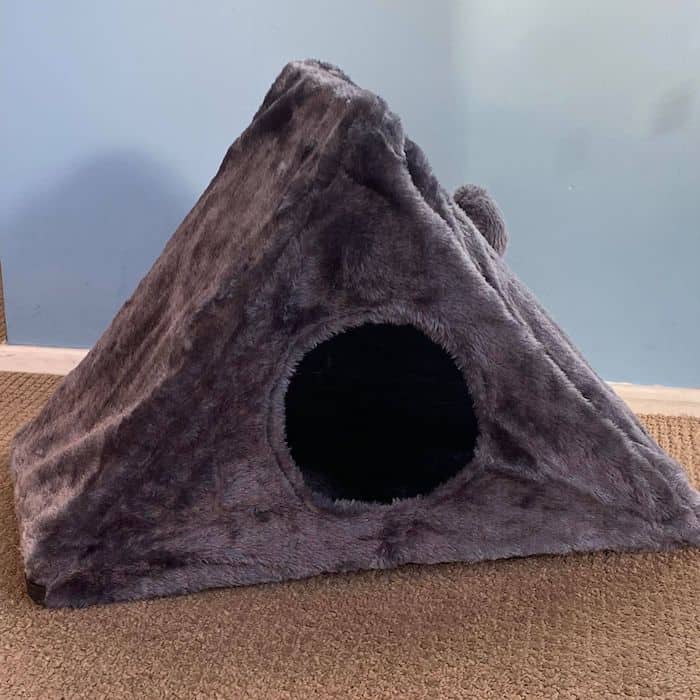
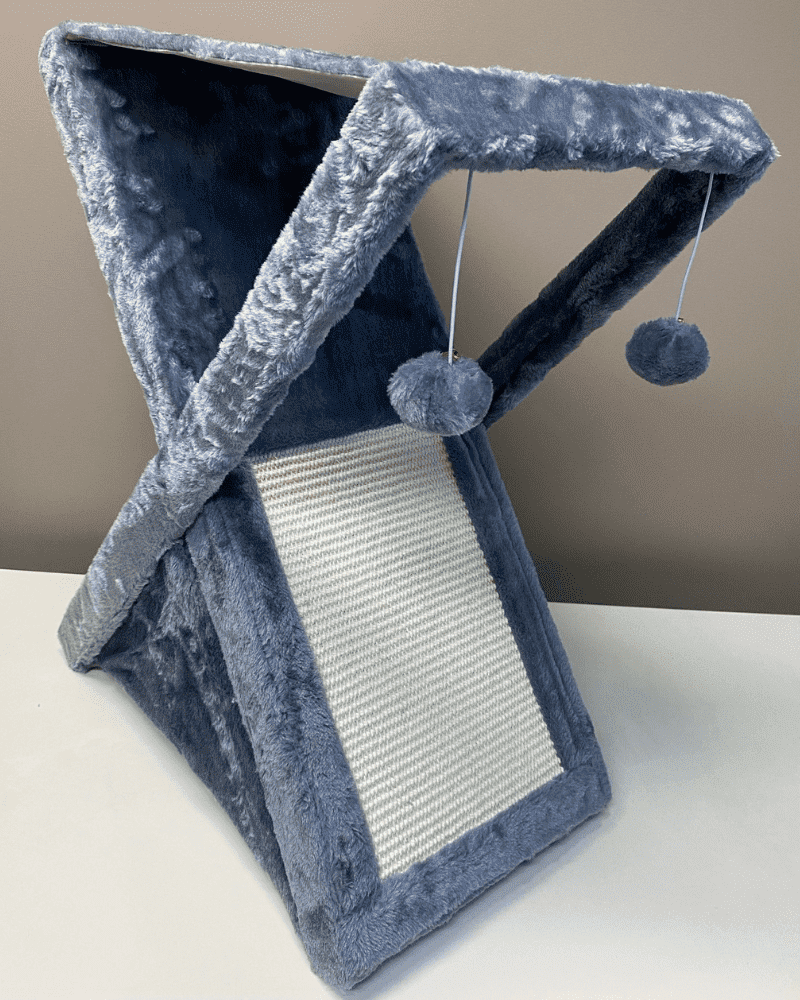
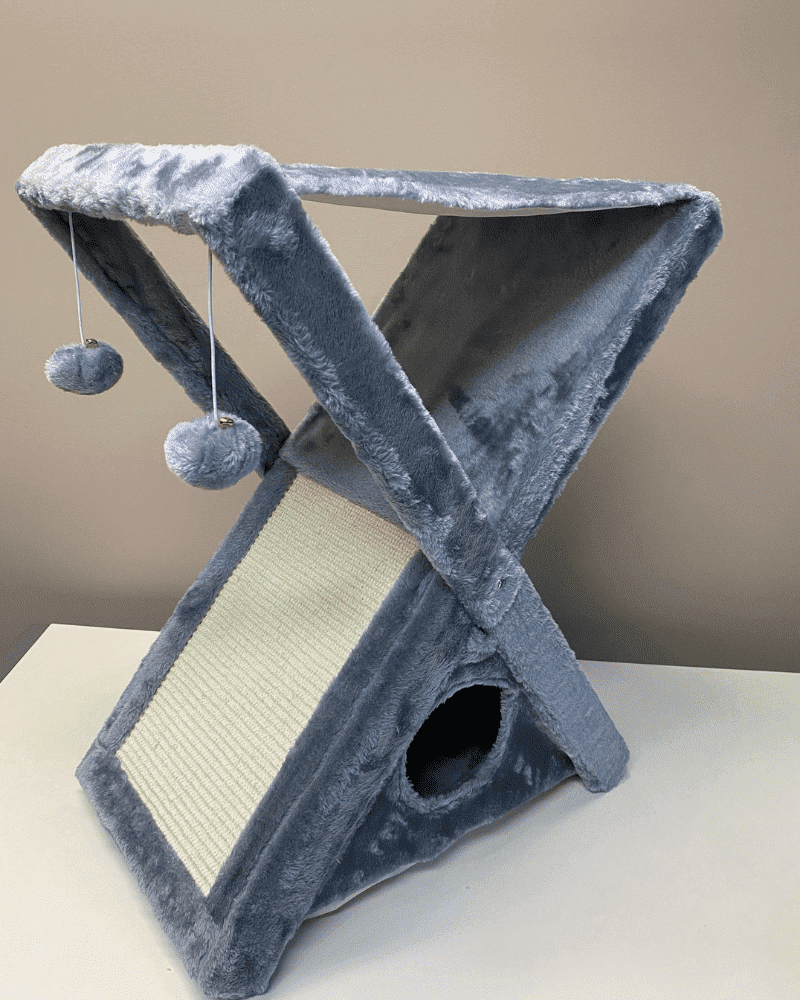
- Extra features (like platforms, hidey holes or hanging toys)
Finding the right scratching post can take a bit of trial and error, but you can reduce this by paying attention to your cat’s current habits. If they enjoy shredding cardboard boxes, cardboard scratchers are often a good match. If they like climbing or resting up high, a taller tower is usually better suited.
At Somerzby, we offer a range of affordable scratching posts designed with these different preferences in mind, so it’s easier to find something that suits your cat’s natural behaviour.
All Products
All Products
All Products
FAQ
Why won’t my cat use any scratching post?
Cats can be very particular, so it may take trying different materials, heights or styles to find the right fit. Consistent training also helps! Encourage use with catnip or toys, and reward them with treats or pats when they scratch the post.
Where is the best place to put a scratching post?
Put it where your cat likes to spend time, often a quiet, sunny spot with low foot traffic. It might not be the most convenient place for you, but if your feline friend actually uses it, it will help protect your sofa.
How long does it take to train a cat to use a scratching post?
It depends on the cat. Some take to it straight away, while others may need a few weeks of consistent training. The key is patience, daily practice and rewarding them each time they use the post.
Should I have multiple scratching posts?
Yes, it can really help. Having several posts is useful in larger or multi-level homes, so your cat always has one nearby. If it’s too far away, they’re more likely to scratch something else instead.
Toni’s Wrap
You can’t stop a cat from scratching, but you can guide it toward what you’d prefer them to use instead! With a better understanding of their natural behaviour and a few simple adjustments at home, it becomes much easier to redirect scratching away from furniture and onto something appropriate. The key is patience, consistency and choosing the right setup for your cat. When you work with their instincts rather than against them, you can protect your home while keeping your cat comfortable and content.
Related Blogs