


Cats
Russian Blue Cat Breed

Aug
 ChatGPT
 Claude
 Perplexity
 Grok
 Google AI
 You
 WhatsApp
 LinkedIn
The Russian Blue is a beautiful and distinctive cat breed, known for its plush blue-grey coat, striking green eyes and gentle personality. Whether you’re thinking about welcoming a Russian Blue into your family or simply curious about what makes this breed so special, there’s plenty to learn about these elegant cats. From their fascinating history and unique characteristics to their temperament, health and care requirements, understanding the breed can help you decide if a Russian Blue is the right companion for your home.
Key Takeaways
- Russian Blues are a naturally occurring breed originally from Russia.
- Their distinctive appearance includes a blue-grey double coat with a silvery sheen, striking green eyes and a medium-sized build.
- Russian Blues are intelligent, loyal and independent cats that can be shy around strangers but affectionate with their families.
- They are generally a healthy breed with a lifespan of around 15 years or more, although they can be prone to obesity.
- Caring for a Russian Blue involves providing a high-quality diet, portion control, weekly brushing, regular dental care and plenty of mental and physical stimulation.
- A secure outdoor cat enclosure allows Russian Blues to enjoy fresh air, exercise and outdoor enrichment without the risks of roaming freely.
- Russian Blues can be adopted through shelters and rescue organisations or purchased from reputable breeders.
What do Russian Blue Cats Look Like?
There are three variations of the Russian cat breed – blue, black and white. Russian Blues are by far the most popular. They appear grey upon first glance but are actually blue with a silver sheen. The Russian Blue’s coat is very similar to the blue British Shorthair’s coat. There is also a long-haired version of the Russian Blue cat called the Nebelung. This breed is rare.
Russian Blues are a medium-sized cat with a long body, legs and tail. They have small paws that they walk on very softly. Their head is a triangular shape and their pointed ears are wide at their base.
Their short coat is very soft and thick, designed to keep them warm in the cold Russian winters. Their double coat has two layers – an undercoat that is dense and guard hairs (the top coat) that are silvery and give the Russian Blue its distinctive colour. Its plushness can make the cat appear larger than it is. Their head between the ears is flat.
They have stunning green eyes that are large and wide apart. They are almond-shaped, giving them a sweet expression. Their kittens are born with yellow eyes that change as they grow.
The kittens are also often born with ‘ghost stripes’. These markings make them look like a tabby. They will disappear as the kitten grows up, slowly fading until they are completely gone.

Russian Blue Cat Temperament and Personality
Russian Blues are very cautious of strangers and can take a while to bond with you. Give them plenty of time to adjust to living with you. Once they bond with you, they will be very loyal. They will keep their distance from house guests until they have assessed whether they are trustworthy or not.
Russian Blues can also be scared of young children or other animals if they have never been exposed to them, cautious of any sudden movements or loud noises. However, if they are raised around children and other pets, they will get along with them well.
They make a great pet for people who work full time as they are fairly independent and can keep themselves entertained while you are away.
Russian Blues make a moderate amount of noise however it is always at a low volume.
They appreciate routine and doing everything at the same time daily. They hate change and unpredictability. If their dinner is a little late, they will let you know!
They are a very clean breed and dislike an unclean litter box.
Russian Blue Cat Health
Russian Blues live to be around 15 years old, although they can live longer if cared for well. Some Russian Blues have lived to be 25 years old!
They are medium-sized. Healthy males weigh around 6kg and healthy females around 4kg.
Overall, Russian Blues are a very healthy breed. There are no specific major health issues that concern them. This is because they are a naturally occurring breed.
Obesity is a common issue in modern Russian Blues which can lead to a myriad of other health problems. Avoid overfeeding your cat and encourage regular playtime. Bladder stones can also sometimes occur.
It can be valuable to have an annual health checkup with your veterinarian to make sure no health issues arise.

How to Care for a Russian Blue Cat
While Russian Blues are relatively low-maintenance cats, understanding their needs will help keep them happy and healthy.
Feeding
To keep your Russian Blue as healthy as possible, it is important to feed it a high-quality cat food. As they are an active and medium-sized cat, Russian Blues eat around 80Kcals of food per kg of body weight per day.
Be cautious not to overfeed them or give them human food too often. Always be aware of portion control! They enjoy eating and will continue to snack even once they are full. This makes them prone to obesity and health problems associated with excess weight gain.
Grooming
The Russian Blue is a shorthair breed, making it very easy to groom. It does not shed much hair.
Brush its fur weekly using a short brush or comb. This will help remove any loose hair and help spread out naturally occurring skin oils. If you start doing this regularly from a young age, your cat will learn to enjoy the attention it gets from grooming. Brush it more during spring when it begins to shed its winter coat.
Like all cats, they will regularly need their teeth brushed (or given dental treats), claws clipped and ears checked.
Training
Russian Blue cats are highly intelligent. Some are clever enough to open doors, drawers and maneuver complex puzzle toys.
They can be trained to play fetch. They can also be taught tricks, including to high-five and play dead. The best way to train Russian Blues is with patience and positive reinforcement. When they do the right thing, give them a food reward and praise them with pats and attention.
Never scold your cat when it doesn’t get the trick right. This won’t improve behaviour but will make your cat scared of you and sometimes behave worse.
Best Cat Enclosures for Russian Blue Cats
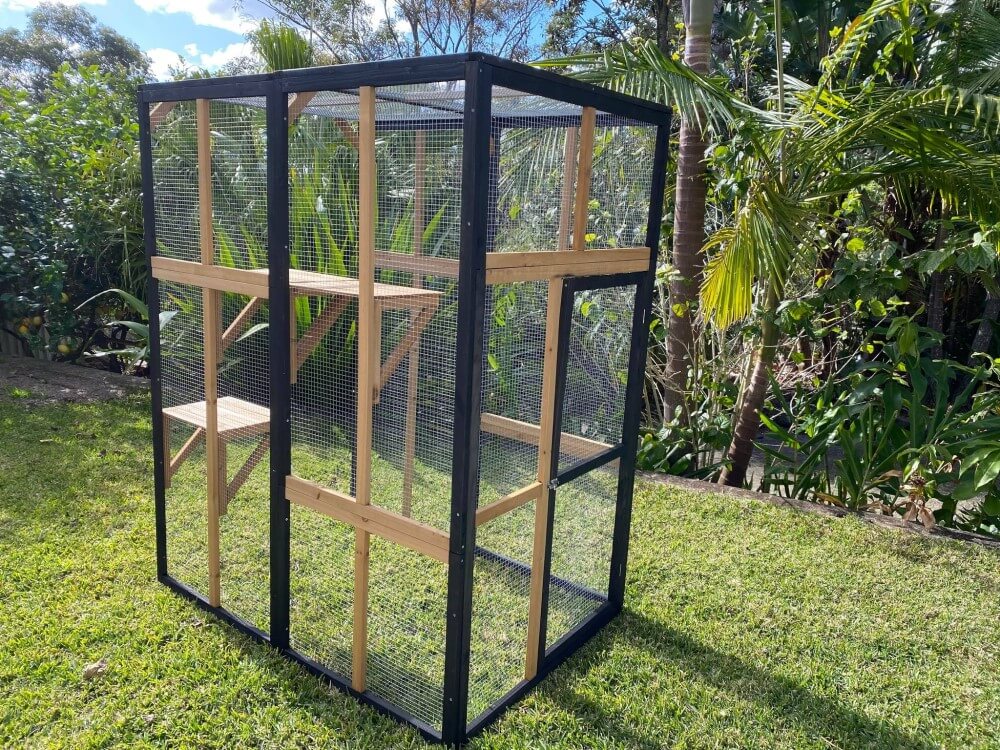
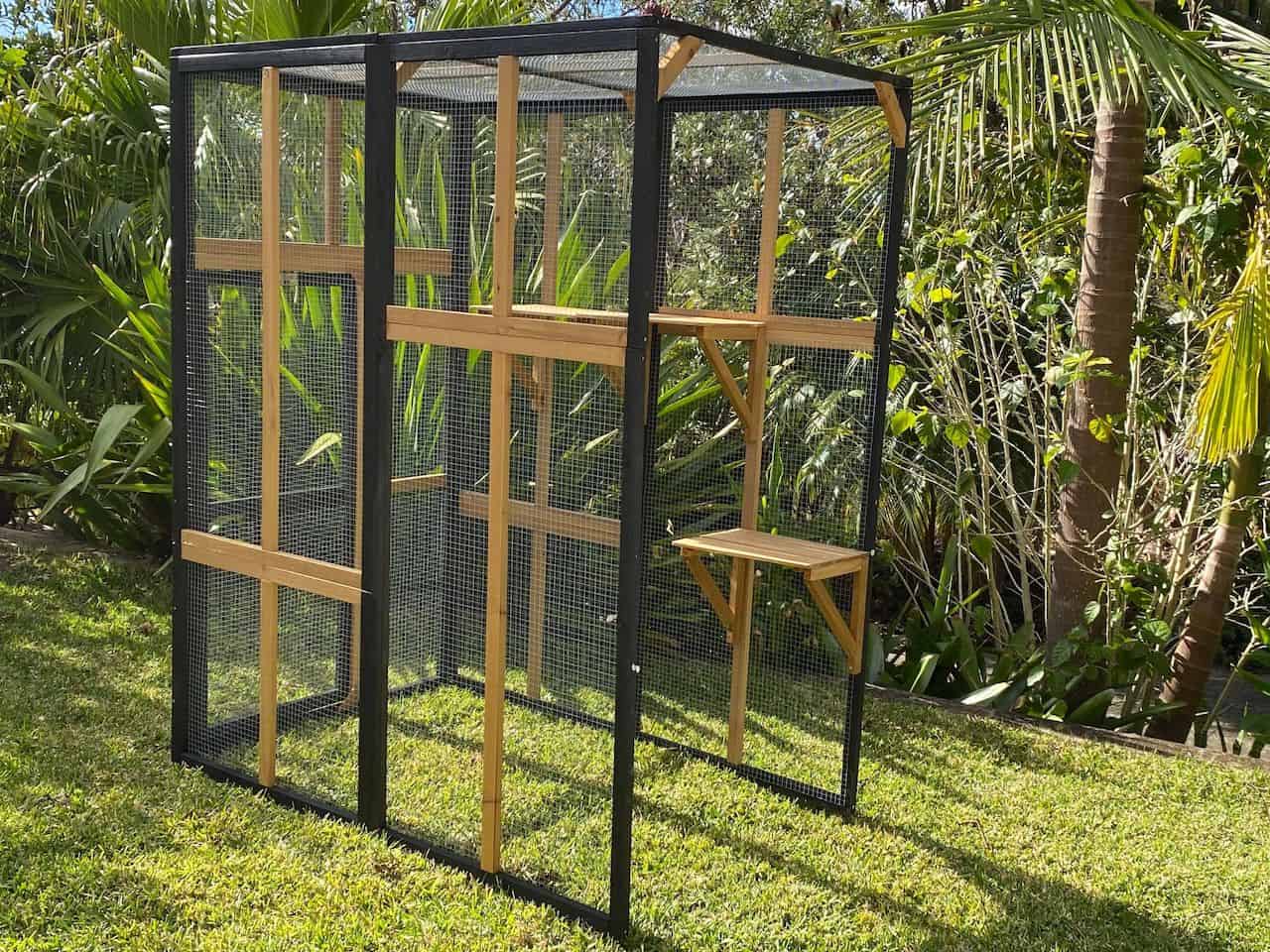
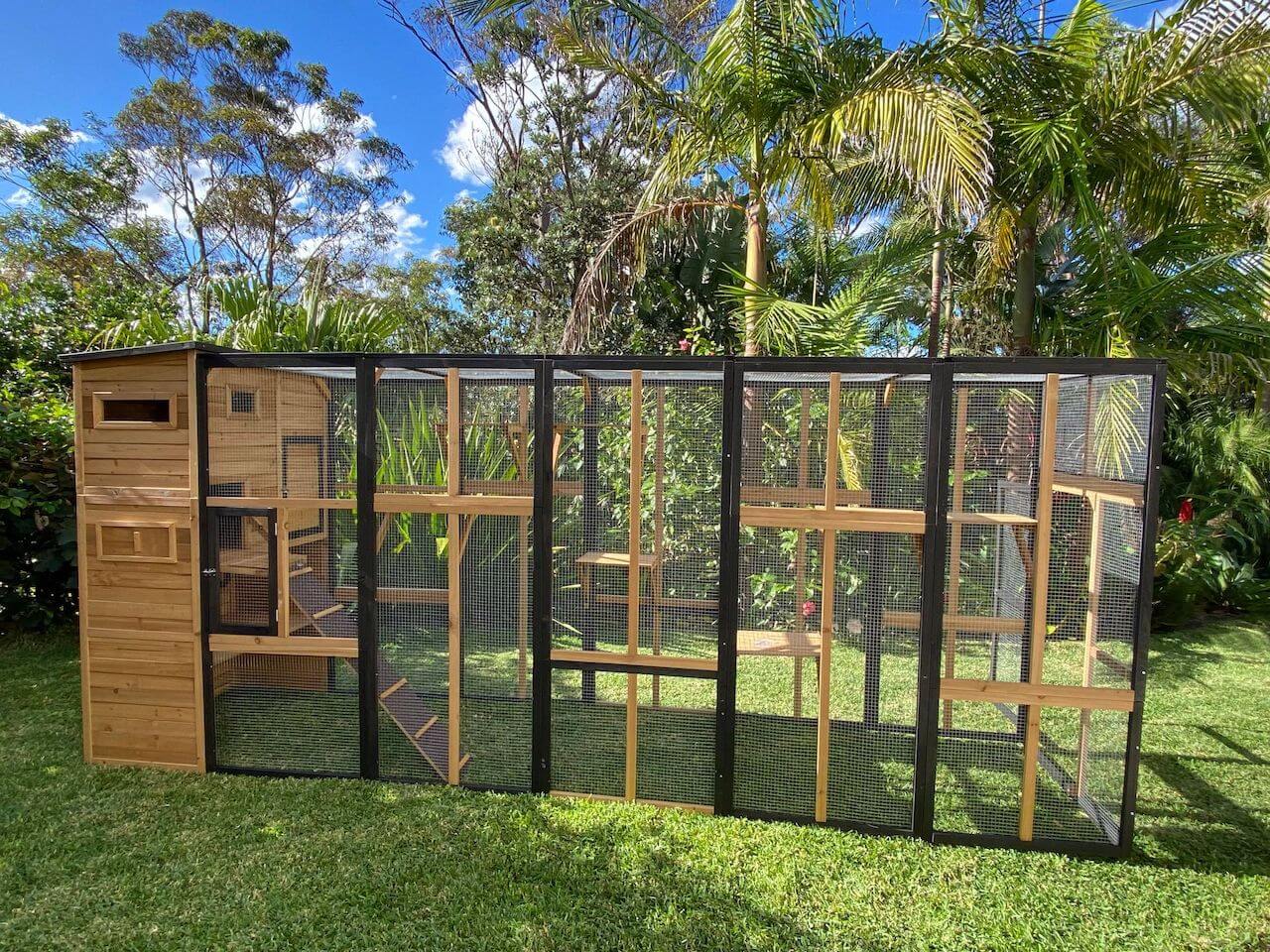
Providing your Russian Blue with access to a secure outdoor cat enclosure is a great way to let them enjoy fresh air and explore their surroundings without the risks of roaming freely. An enclosure helps protect them from traffic, getting lost, fights with other cats and exposure to diseases and parasites.
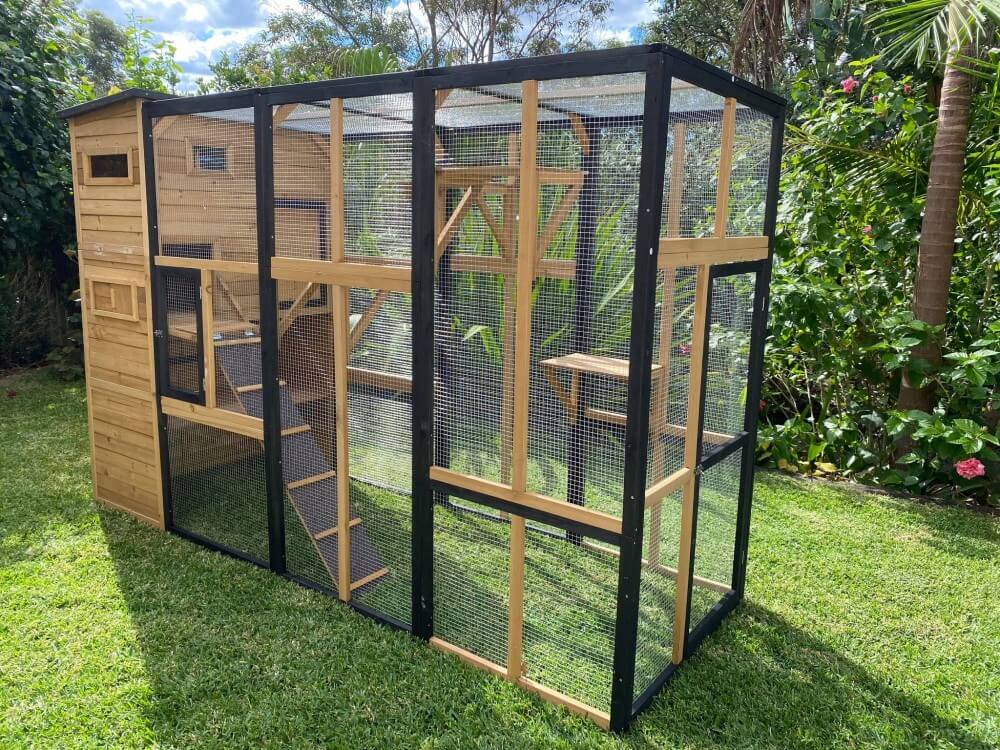
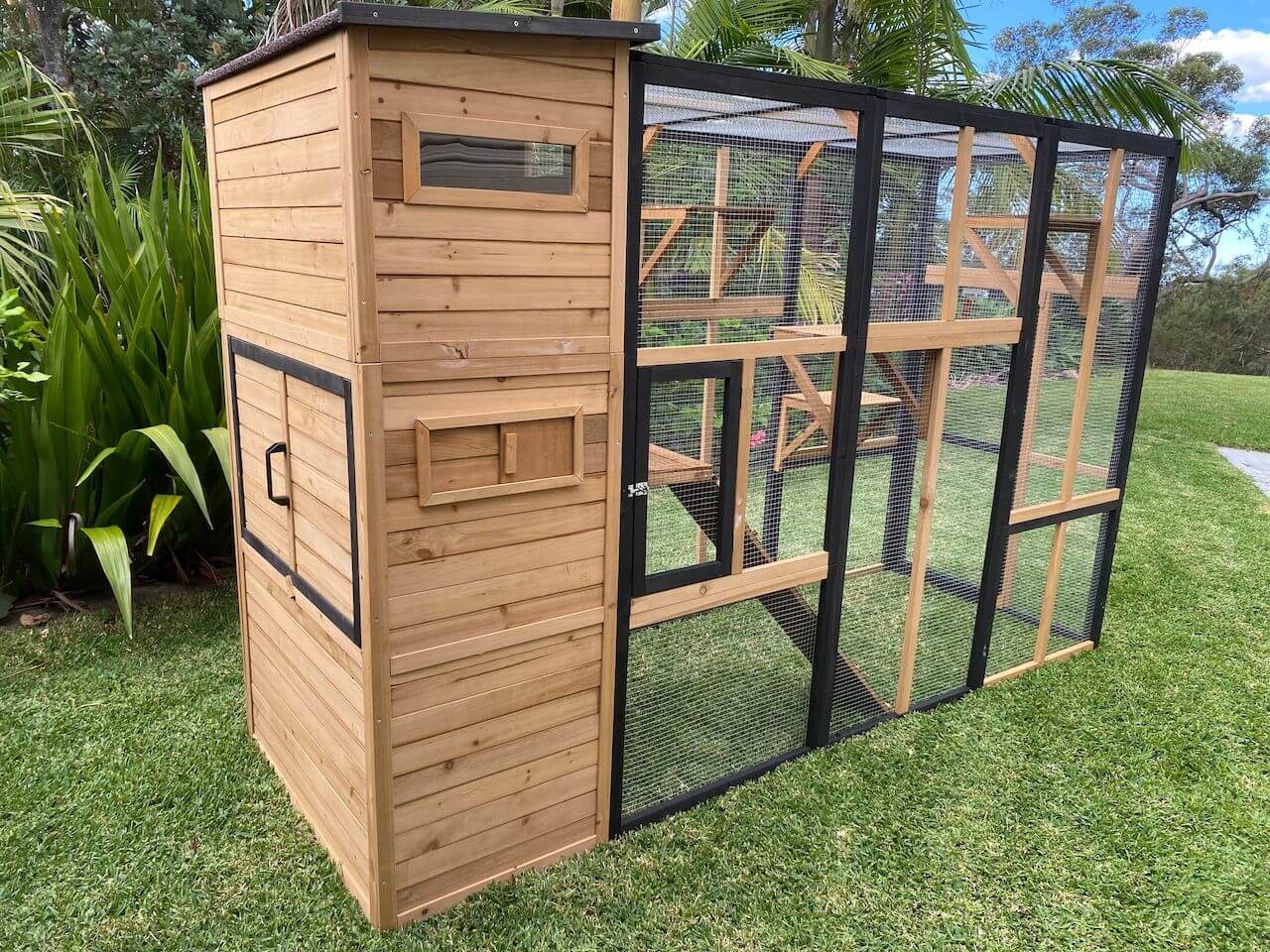
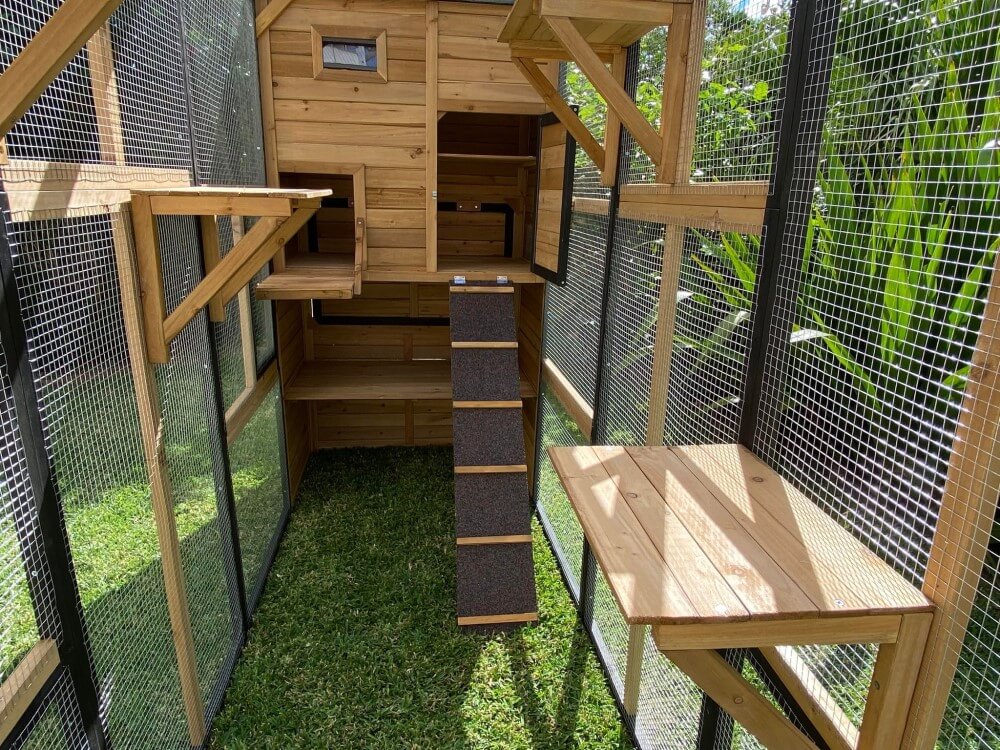
The Somerzby Greta Cat House is a great option, offering a sheltered indoor area where your cat can retreat and relax, alongside an enclosed outdoor run where they can enjoy some fresh air. It also features multiple shelves, giving your Russian Blue plenty of opportunities to climb, explore and rest up high.
If your cat needs more room to move around, you can attach the Greta Cat Run to extend the enclosure by an additional 140cm.
You can also connect the enclosure directly to your home using our cat tunnel kits. This allows your Russian Blue to move freely between the house and their outdoor space without you needing to carry them in and out.
All Products
All Products
All Products


Cat Runs

Enclosures & Run


Enclosures & Run
Where to Buy Russian Blue Cats
Once you decide that you would like to welcome a Russian Blue into your family, you will need to do some research and decide where to get one from. Ask for recommendations from local vets, groomers and pet sitters as well as other cat owners you know.
Be patient and wait for the right kitten or cat to become available. Russian Blues are a popular breed so you may be on a waitlist for a while.
Adoption
Russian Blues can be adopted from animal shelters and rescue organisations, depending on availability. Because they are a desirable breed, it is rare to find them in shelters and, if they are put up for adoption, they are likely to be snatched up quickly.
Shelters and rescues should provide your new cat with a health check, vaccinations, microchipping, worming and desexing. Adopting a cat will cost around $250.
Breeders
Russian Blue cats can also be purchased from local breeders. Breeders will typically sell kittens when they are 12-16 weeks old. This is typically more expensive than adopting, costing between $1,000 and $3,000.
Do a lot of research before choosing a breeder. Putting in effort now to find a good breeder can lead to long-term benefits, including less health problems.
If you find a breeder online, beware of online scams. Warning signs include cheap cats, always having kittens available and websites that allow you to purchase cats online using a credit card.
Please note: We have not worked with or independently verified the breeders listed below, so we cannot personally recommend them. Always do your own research before purchasing a kitten.
Russian Blue Cat Breeders
Azureblue Russian Blues
Location: Brisbane
Email: [email protected]
Website: https://www.facebook.com/p/Azureblue-Russian-Blues-100057614162183/
Babushkablue Russians
Location: Brisbane
Email: [email protected]
Website: https://www.facebook.com/babushkabluerussians
Kingslee Park Cattery
Location: Airlie Beach
Phone: 0428 641 238
Email: [email protected]
Website: https://www.kingsleeparkcattery.com.au/our-breeds/russian-blues/
Minyawoo Cattery
Location: East Maitland
Phone: 0421 694 041 (Anne) or 0412 579 698 (Ian)
Email: [email protected]
Website: https://www.tintola.com.au/index.html
Royal Claire Cattery
Location: Lake Macquarie
Phone: 0422 081 262 (Lisa)
Email: [email protected]
Website: https://royalclairecattery.com/
RUSKiLiME
Location: Coffs Harbour
Phone: 0438 505 201
Email: [email protected]
Website: ruskilime.au
Terapiya Cattery
Location: Young (South Western Slopes)
Phone: 0425 305 452
Website: https://www.therapycats.com.au/
Tintola Cattery
Location: Coffs Harbour
Phone: 0419 166 955 (Linda)
Email: [email protected]
Website: https://www.tintola.com.au/index.html
Wyninebah Russian Blues Australia
Location: Lismore (Northern NSW)
Phone: 0408 114 775 (Neil and Lea)
Email: [email protected]
Website: https://wyninebah.weebly.com/
Koshka Cats
Location: Melbourne
Email: [email protected]
Website: https://www.facebook.com/koshka.cats/
Russian BluePrint Cattery
Location: Adelaide
Email: [email protected]
Website: https://www.instagram.com/russian_blueprint_cattery/
Russians Glacier
Location: Brooklyn Park (Adelaide)
Phone: 0432 092 219
Email: [email protected]
Website: https://www.facebook.com/russiansglacier25/
FAQ
Are Russian Blue cats expensive?
Russian Blue cats usually cost between $1,000 and $3,000 to purchase in Australia. This is higher than some other breeds, due to their high desirability and the limited number of breeders.
How intelligent are Russian Blue cats?
Russian Blues are considered to be an intelligent cat breed. With patience and consistency, they can be trained to do tricks. Many are able to and enjoy using treat puzzle mats designed for dogs. They are also perceptive at sensing human emotions.
Do Russian Blue cats like to be held?
Generally, Russian Blues do enjoy pats and affection. They typically enjoy sitting beside you and following you around the house, rather than actually being picked up and held. But this can vary from cat-to-cat, depending on how they were socialised at a young age.
Toni’s Wrap
Choosing the right cat breed is an important decision, and understanding the Russian Blue’s personality, health and care requirements can help you decide if they are the right fit for your home. With their beautiful coats, intelligence and loyal nature, Russian Blues make wonderful companions for the right family. By providing a healthy diet, plenty of enrichment and a safe environment, you can help your Russian Blue enjoy a long, happy life.
Related Blogs